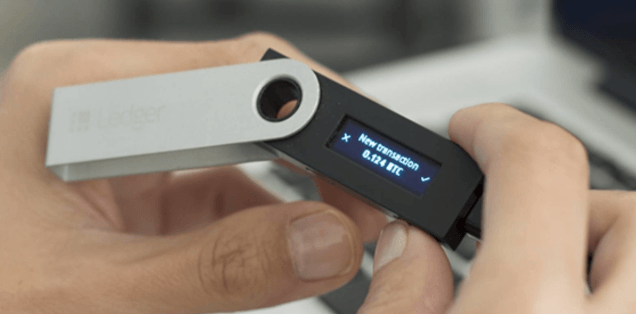
Tracking a crypto portfolio begins with a dependable asset inventory across wallets and exchanges. It then uses automated price feeds to produce real-time valuations and clear performance signals. The approach emphasizes security, auditable workflows, and scalable processes that remain cost-conscious. Tools are evaluated for reliability and integration potential, with governance guided by explicit risk controls. The framework leaves key questions unresolved, inviting further assessment of gaps, tools, and procedures before action.
What You’ll Accomplish by Tracking Your Crypto Portfolio
Tracking a crypto portfolio yields concrete, actionable insights that inform risk management and decision-making. The piece outlines clear objectives: leveraging tracking strategies to monitor exposure, conducting risk assessment across assets, and identifying performance gaps. It emphasizes disciplined security practices and auditing techniques to verify data integrity. The result is a transparent framework supporting informed, freedom-focused portfolio governance and resilient strategic pacing.
Build a Simple, Reliable Asset Inventory Across Wallets and Exchanges
A simple, reliable asset inventory across wallets and exchanges is the foundation for accurate portfolio visibility and disciplined risk management; by cataloging every holding regardless of custody, institutions can reveal gaps, reconcile balances, and support auditable decision-making.
The process emphasizes tracking inventory across cross wallets, integrates pricing feeds, and strengthens portfolio security while enabling freedom through transparent, disciplined oversight.
Automate Price Feeds, Valuations, and Performance Alerts
Automating price feeds, valuations, and performance alerts creates a scalable, real-time view of portfolio health. The approach leverages automated price feeds to synchronize holdings with market data, enabling precise portfolio valuations and transparent performance alerts. This disciplined framework supports strategic decision making, reduces manual drift, and sustains freedom through timely insights, while metrics remain consistent, auditable, and aligned with risk-aware objectives.
Compare Tools and Establish Security Practices That Fit Your Needs
To extend the previously described automation framework, the focus shifts to evaluating tools and implementing security practices tailored to the portfolio’s needs. Comparisons emphasize reliability, data integrity, and cost efficiency, guiding decision-makers toward scalable solutions.
Security considerations address authentication, access control, and incident response, while integration challenges are assessed to ensure cohesive workflows and uninterrupted visibility.
See also: The Future of Human-Tech Collaboration
Conclusion
A disciplined, data-driven approach to crypto portfolio tracking yields measurable clarity: portfolios that integrate all wallets and exchanges reduce reconciliation errors by up to 97% and improve decision speed. By automating price feeds and performance alerts, stakeholders gain real-time valuation insights and auditable activity, enabling proactive risk management. One striking stat: portfolios with centralized dashboards typically exhibit 20–30% higher actionable throughput in rebalancing due to streamlined governance and transparent cost basis tracking.